
Heatwave: Āyurvedic Tips for Keeping Cool Even in 40°C Heat
When temperatures climb to 35 or even 40 degrees, we naturally long for ways to stay cool and refreshed.
The intense summer heat can put a strain on the body and lead to tiredness, restlessness, irritability or exhaustion. In Āyurveda, this time of year is associated with an increase in the Pitta doṣa, which represents, amongst other things, the elements of fire and water.
Āyurvedic wisdom recommends adapting one’s lifestyle according to the season – known as Ritucharya (seasonal routine) – even in summer, to keep the body and mind in balance. Discover a refreshing cucumber juice, a cooling summer salt and the traditional use of coconut oil for hot summer days.
1. Refreshing cucumber juice
Members of the cucumber family are regarded as particularly cooling foods in Āyurveda.
A freshly prepared cucumber juice in the late morning can help to refresh the body from within.
Ingredients
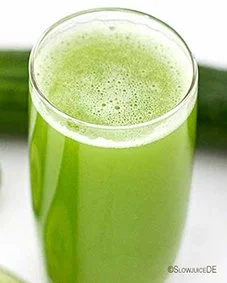
¼ cucumber
¼ teaspoon of roasted cumin (ground)
Himalayan salt to taste
Juice of half a lime
250 ml water at room temperature (the amount may vary depending on the desired consistency – a thinner juice is easier to digest)
Method
Peel the cucumber, remove the seeds and cut into pieces. Then blend finely in a food processor together with the remaining ingredients. If you like, you can also add a few fresh coriander leaves, which are also considered cooling in Āyurveda.
This refreshing drink is ready in no time at all and can be particularly soothing on hot summer’s days.
2. Summer salt with rose and hibiscus petals

Salt is a basic ingredient in every meal. So why not create a special summer salt that also brings a naturally cooling quality?
Rose and hibiscus petals can be used to make an aromatic summer blend.
Ingredients
300 g Himalayan salt
30 g dried rose petals
30 g dried hibiscus petals
Method
Blend all the ingredients finely in a food processor or spice mill, then store in an airtight glass jar.
In Āyurveda, roses and hibiscus are traditionally valued for their cooling properties. In addition to the already versatile properties of Himalayan salt, this blend now also offers a pleasantly cooling effect.
In Āyurveda, Himalayan salt is considered tridoṣic (balancing all three doṣas) and is traditionally described as the highest-quality form of salt. In the classical texts, it is credited with numerous beneficial properties, including benefits for maintaining healthy blood pressure.
3. Coconut for a cool head
The fruits of the coconut palm are regarded in Āyurveda as cooling and refreshing. The tree grows in warm regions and provides the people living there with important resources, helping people stay comfortable in hot climates.
In Europe, coconut oil can easily be incorporated into the summer diet. However, it can also be used externally. One traditional method involves gently massaging a little coconut oil into the scalp before washing your hair. Start at the parting and work your way slowly across the entire scalp. Leave the oil on for about 15 to 20 minutes and then wash your hair as usual. This treatment not only leaves your hair soft and supple, but also has a pleasantly cooling effect on the scalp – making it ideal for literally keeping a cool head in summer.
Āyurveda in summer
With small adjustments to your diet and lifestyle, it is often easier to cope with the summer heat. Cooling foods, adequate hydration and soothing care rituals can help you enjoy the hot days in a more relaxed way.
Opt for light, easily digestible foods such as steamed vegetables, fresh fruit and drinks at room temperature.
Would you like to learn more about Ayurvedic recommendations for the warmer months? Then read the article Āyurveda in Summer.